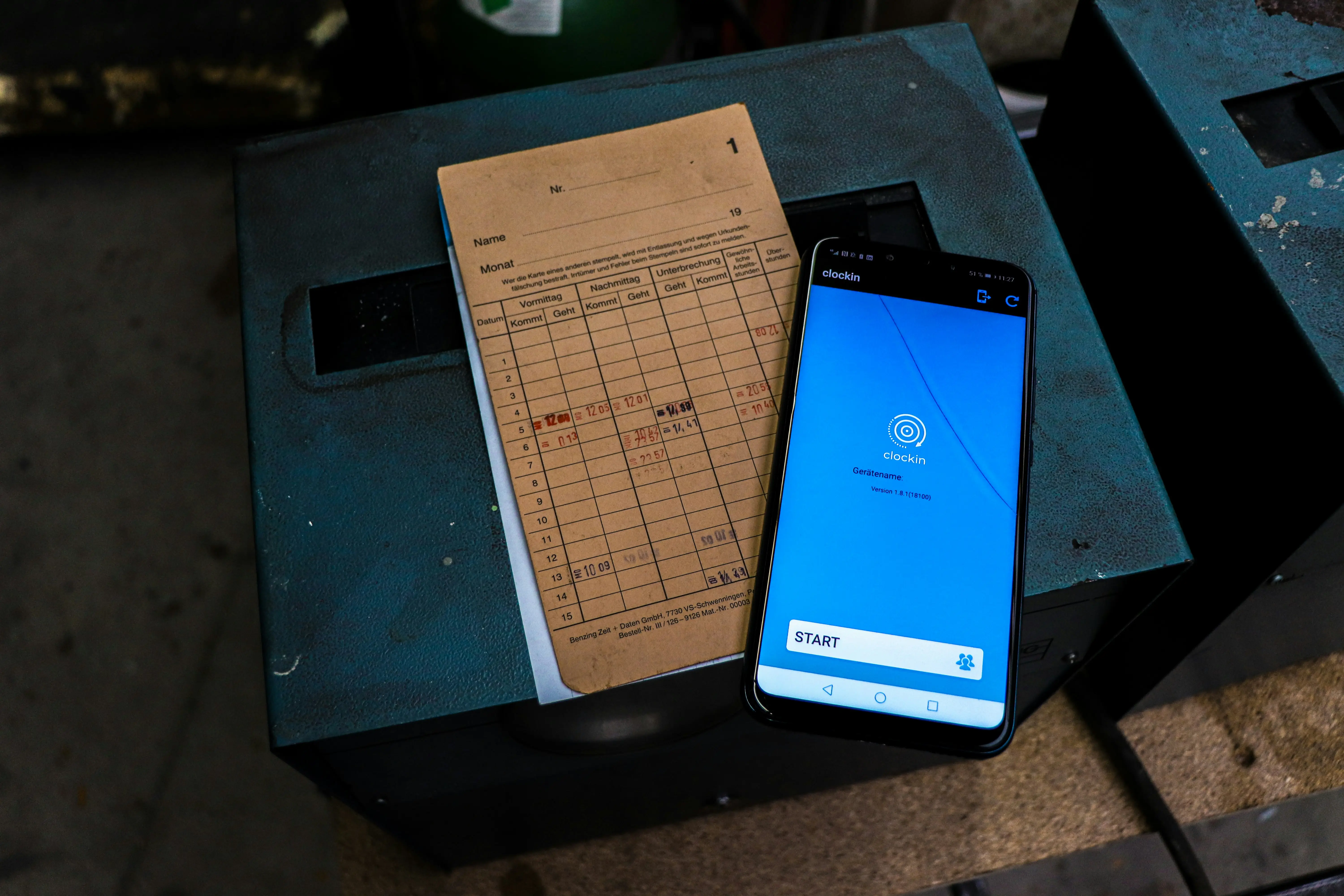


A draft circular would formally end the 2021 freeze on new OLP registrations, but with substantially heightened capital, disclosure, and consumer protection requirements.
The Securities and Exchange Commission has published for public comment a draft memorandum circular that would lift the moratorium it imposed in November 2021 on the recording of new Online Lending Platforms (OLPs). The moratorium, issued under MC No. 10, Series of 2021, had effectively frozen the digital lending market for more than four years. The proposed framework replaces it with a comprehensive regime that ties OLP access to enhanced capital adequacy, disclosure, and consumer protection standards.
The Draft Circular applies to all financing companies (FCs) and lending companies (LCs), whether existing, newly registered, or pending application, that currently offer or plan to offer products through OLPs or other FinTech-enabled systems. Its scope is broad and its definition of what constitutes an OLP is deliberately expansive: any digital interface through which an FC or LC performs loan processing activities, including mobile applications, websites, APIs, and cloud-based systems, qualifies. The Commission has made clear that the determination will be based on function and substance, not on the label or architecture of the platform.
Pre-Disclosure Classification
Central to the new framework is a pre-disclosure classification process. Before deploying any digital platform, FCs and LCs must submit a Pre-Disclosure Classification Declaration (PDCD) to the Commission. The Commission then determines whether the platform constitutes an OLP. An adverse classification prevents the entity from proceeding with disclosure, corporate amendments, or operations related to the proposed platform. The Draft Circular prescribes no deadline within which the Commission must act on a submitted PDCD, which is a notable gap that industry participants should be aware of.
Capital Requirements
For entities that clear the classification process, the capital requirements attached to OLP operations are materially higher than current minimums. The requirements scale with the number of OLPs operated, and no entity, regardless of capitalization, may operate more than ten OLPs. The table below sets out the minimum paid-up capital thresholds:
Existing operators are afforded a three-year transition period, with phased milestones of 30%, 60%, and 100% capital compliance at years one, two, and three respectively. Within 60 days of effectivity, each entity must submit a Capital Compliance Plan specifying whether it will raise capital, rationalize its OLP portfolio, or both. Entities that remain non-compliant after the transition period face a structured discontinuance framework, including mandatory cessation of new borrower onboarding, a Commission-approved Discontinuance Plan, and continued servicing of existing loans under regulatory supervision.
Operational and Consumer Protection Requirements
The operational requirements are equally demanding. Among the key provisions:
Annual Licensing Fee
The Draft Circular moves the annual licensing fee to an asset-based graduated structure, ranging from 0.10% of total assets for entities with assets not exceeding Php 20,000,000 to 0.35% for entities with assets exceeding Php 500,000,000. Branch-level fees are eliminated; entity-level supervision is the new baseline. The revised fee structure takes effect on 1 January 2027.
Enforcement and Anti-Circumvention
The Draft Circular adopts a substance-over-form anti-circumvention framework. The Commission may treat functionally integrated digital platforms as a single OLP or count each interface separately for capital and OLP-limit purposes based on the totality of circumstances, including shared ownership and control, common credit underwriting infrastructure, and substantially identical borrower bases. Any attempt to fragment, rebrand, or white-label OLPs to avoid capital or disclosure obligations is characterized as circumvention and is subject to administrative sanctions.
Non-compliance with the Circular's various requirements carries penalties ranging from monetary fines (up to Php 2,000,000 per violation) to suspension or revocation of the Certificate of Authority and Certificate of Incorporation, depending on the nature and frequency of the offense.
What Clients Should Do Now
The public comment period closes on 25 March 2026. With a proposed effectivity date of 1 April 2026, the timeline between finalization and implementation is compressed. We recommend that clients not wait for the final text before beginning internal assessments.
Got questions? Contact Geronimo Law at attorney@geronimo.law .
This newsletter is for informational purposes only and does not constitute legal advice. Specific legal counsel should be sought for particular situations.

.webp)