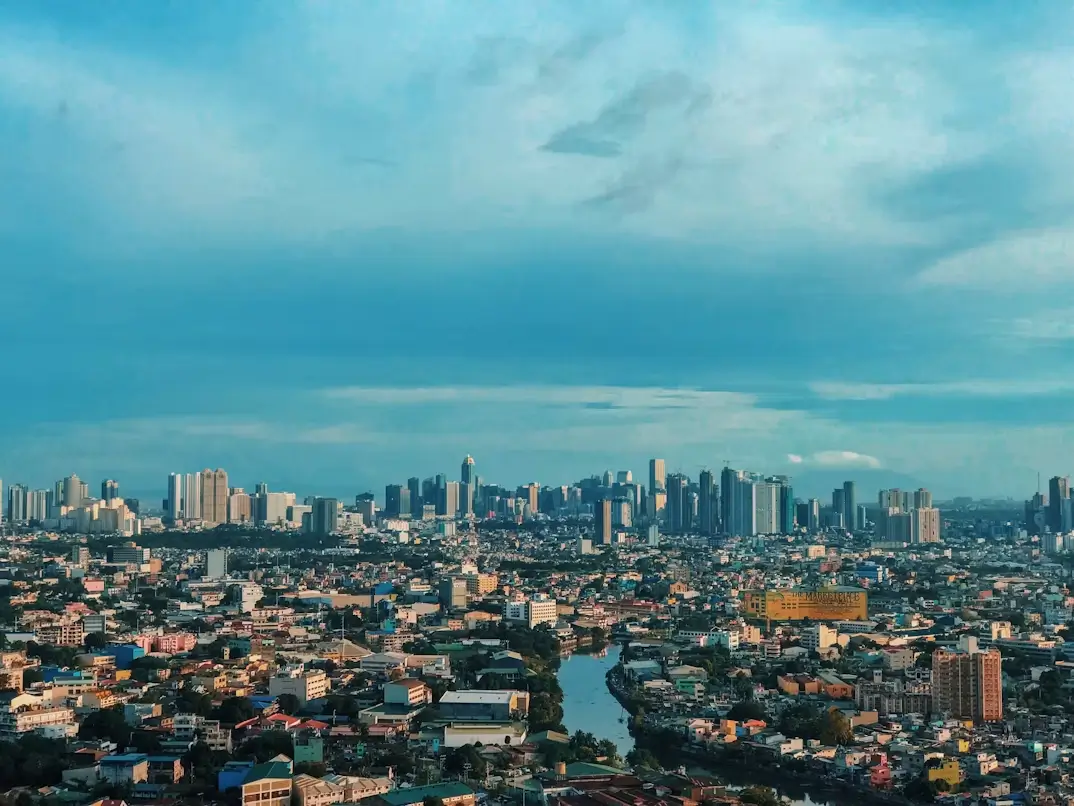


The "Sick Man of Asia" status has returned. Geronimo Law economic update for the Philippines
Corruption, wasteful spending and political drama havewasted the Philippines’ decade of promise.
The numbers tell the story.
Down from 5.5% a year ago and 2.8% in Q1, and the fourth straight slowdown. Vietnam is growing three times as fast.
To reach even the low end of its 3.5-4.5% target, the government needs 4.4% growth in the second half.
Prices peaked at 7.2% in April on the Middle East oil shock. The year’s average is 5%, well above the central bank’s 2-4% target.
The Philippines imports over 90%of its crude oil. Every barrel through Hormuz is a tax on the Filipino household.
The peso has lost roughly 8.5% of its value in a year, pushed down by high US interest rates, expensive oil and weaker Gulf remittances.
A weak peso raises the cost of imports, the debt burden and, soon enough, prices at the market. Then inflation weakens the peso further.
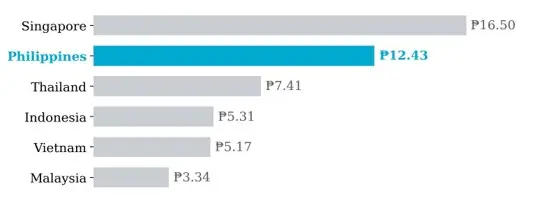
Singapore’s tariff jumped 17%this quarter, returning it to first place; in June the Philippines briefly held the first spot. Meralco customers pay ₱14.48. Expensive power drives away the factories.
Fixed investment fell 13.7%. Officials refuse to sign off on projects for fear of prosecution, so project implementations are delayed.
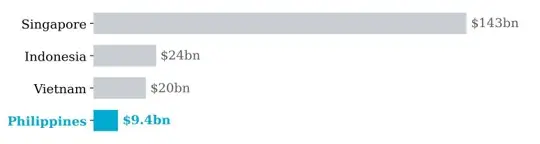
2024 is the latest year with comparable ASEAN data. The Philippine figure fell another 17% in 2025, to $7.8bn. Capital goes where rules are steady and power is cheap.
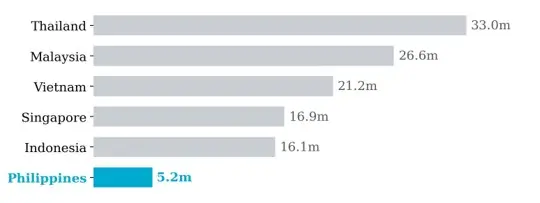
The Philippines has still not recovered its pre-pandemic arrivals, while the region has moved on. The culprits are expensive flights, poor connections and substandard airports.
The slump is mostly home-grown. Expensive oil and high US interest rates made it worse, but the deeper damage came from within: government corruption, delayed infrastructure projects, some of the region’s most expensive power, and lack of investor confidence.


.webp)


