

We explain why the Negotiable Instruments Law (Act No. 2031, effective 1911) should be removed as a standalone Commercial Law subject in the law curriculum, on the Bar, and in the undergraduate level.
The statute is a verbatim reenactment of the United States Uniform Negotiable Instruments Law of 1896, and it has never once been amended in the 115 years it has been in force. The jurisdiction it was copied from replaced it decades ago with the Uniform Commercial Code (Articles 3 and 4).
The subject survives today on the premise that the negotiability of paper (promissory notes, bills of exchange, and checks) is central to commercial practice. This is no longer true.
The defining virtue of a negotiable instrument, that value passes to a holder whose identity and honesty are irrelevant so long as he took for value, in good faith, and without notice (Act No. 2031, Sec. 52), is squarely inconsistent with the anti-money-laundering regime. The Anti-Money Laundering Act (R.A. No. 9160, as amended by R.A. Nos. 9194, 10167, 10365, 10927, and 11521) and the BSP customer due diligence rules require covered institutions to identify and verify every accountholder and, where warranted, to establish the source of funds. Bearer instruments payable to no one in particular, and the anonymous holder in due course who need not explain how he came to hold the paper, are inconsistent with Know-Your-Customer rules.
The statute is built on the free transfer of order and bearer instruments through successive indorsements (Act No. 2031, Secs. 30 to 50), culminating in the holder in due course who takes free of the personal defenses of prior parties (Secs. 52, 57). This feature will no longer fly at the clearing house. Depository banks will not accept a second-indorsed check for deposit. Under the Philippine Clearing House Corporation (PCHC) Clearing House Rules and Regulations, which the Bangko Sentral has adopted as the exclusive nationwide clearing framework (see Manual of Regulations for Banks, Sec. 802), a check bearing a second or multiple indorsement is a technical defect and is returned unpaid. The chain of “negotiation by indorsement” that occupies roughly twenty sections of the statute cannot lawfully be run in the check, which is the only negotiable instrument most graduates will ever handle.
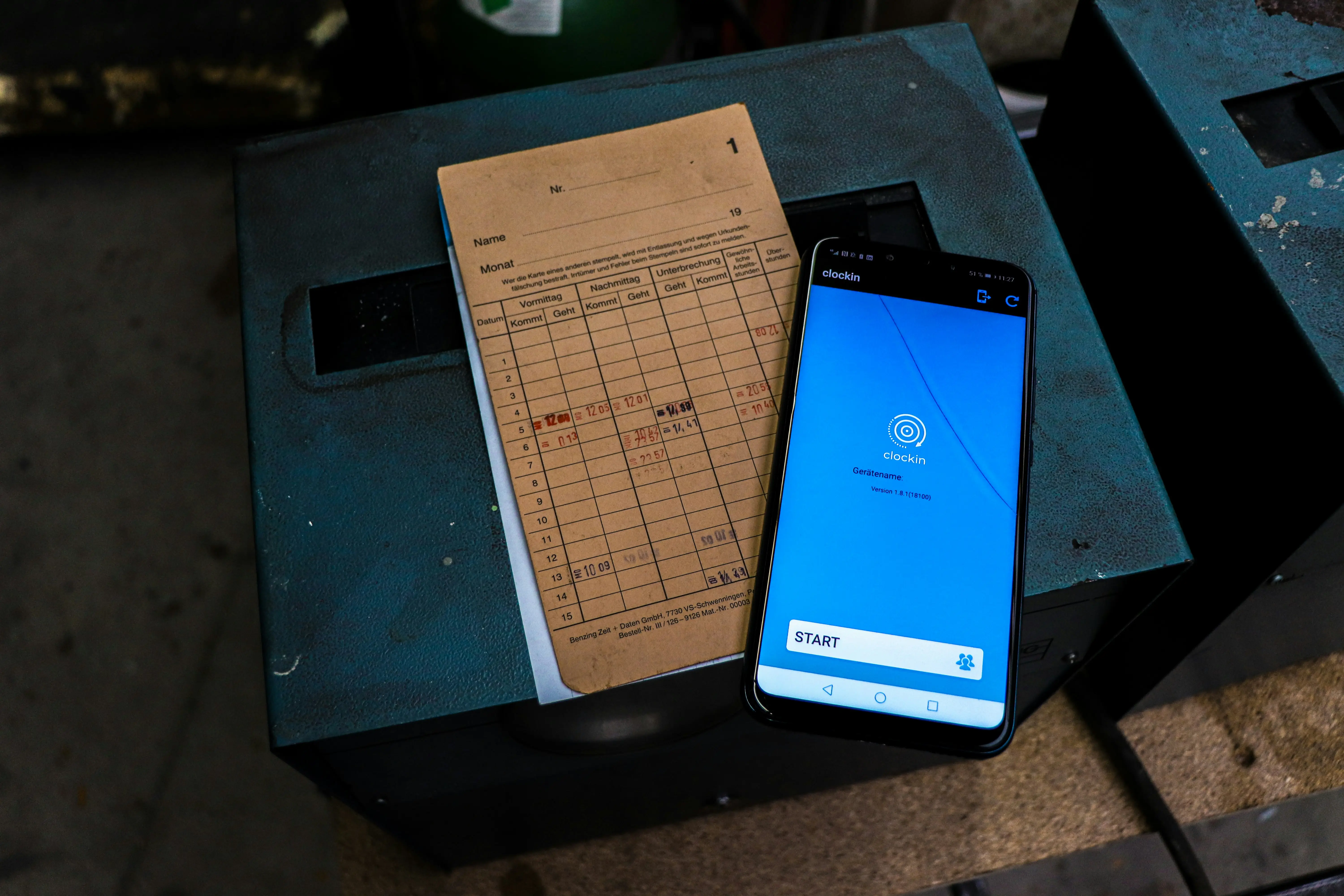
The statute presumes physical delivery and presentment of the instrument itself (Act No. 2031, Secs. 70 to 73). Since 20 January 2017, the PCHC has cleared checks through the Check Image Clearing System, which truncates the paper check at the branch of deposit and presents only an electronic image to the drawee bank. Presentment for payment of the instrument, as Act No. 2031 defines it, is now a fiction maintained around a transmitted data file.
The National Payment Systems Act (R.A. No. 11127, 2018) places retail payments under BSP oversight and the Philippine Payments Management, Inc. Real-time credit transfers (InstaPay and PESONet) and electronic money now carry the volume that checks once did, governed by the Financial Products and Services Consumer Protection Act (R.A. No. 11765, 2022) and BSP electronic-money regulation, not by Act No. 2031. A student can master indorsement and still know nothing of the rules that actually govern how Filipinos pay each other.
The negotiable instrument cannot cross into the digital economy. The Electronic Commerce Act (R.A. No. 8792, Sec. 6) gives legal recognition to electronic documents and signatures, so technically it is possible to electronically sign digital negotiable instruments. But the law still requires physically delivered paper (Act No. 2031, Sec. 191). “Delivery” is defined as transfer of possession, actual or constructive, from one person to another. This is incompatible with the transmission of digital files, where there is no relinquishment of possession.
What remains of check disputes in practice is overwhelmingly criminal, prosecuted under the Bouncing Checks Law (B.P. Blg. 22) and estafa (Revised Penal Code, Art. 315), not the civil negotiability doctrine of Act No. 2031. Supreme Court output on genuine negotiability questions is thin and largely confined to crossed checks and holder-in-due-course defenses in a small line of cases (see, for example, State Investment House v. IAC, G.R. No. 72764, 13 July 1989; Bataan Cigar v. Court of Appeals, G.R. No. 93048, 3 March 1994).
We recommend to retain only the essentials (the note and the check as evidence of a monetary obligation) and fold them into Credit Transactions or Banking Law. We suggest to reallocate the credit hours and Bar weight now spent on Act No. 2031 to payment systems regulation (R.A. No. 11127), electronic commerce (R.A. No. 8792), and AML and KYC compliance (R.A. No. 9160, as amended).